And what I learned from living the transition... even if it's just a little piece of it
There are customs that disappear without anyone dismissing them.
The “real” Black Friday - the one with the physical stores, the endless lines and people waiting for hours on the street - is one of those.
I got to live a little bit of that time.
Just enough to understand what the adrenaline was like to stand in line at 3 AM, talk to strangers while waiting for the doors to open, and watch everyone run straight to electronics when I said “go”.
Today, all that is history.

My first Black Friday in the United States
It was early in the morning.
In those years, some stores opened at 2, 3 or 4 AM, and the scene was always the same: cold, coffee and a bunch of people waiting to get in as soon as the shutters were raised.
As soon as they opened, we all started walking fast... and after a few meters it was a straight run to electronics. Two carts at a time, grabbing everything you could before it ran out. Employees were yelling “there's only a few left!” and watching the stock fly out in seconds. It was fun chaos, with an energy that was hard to explain.
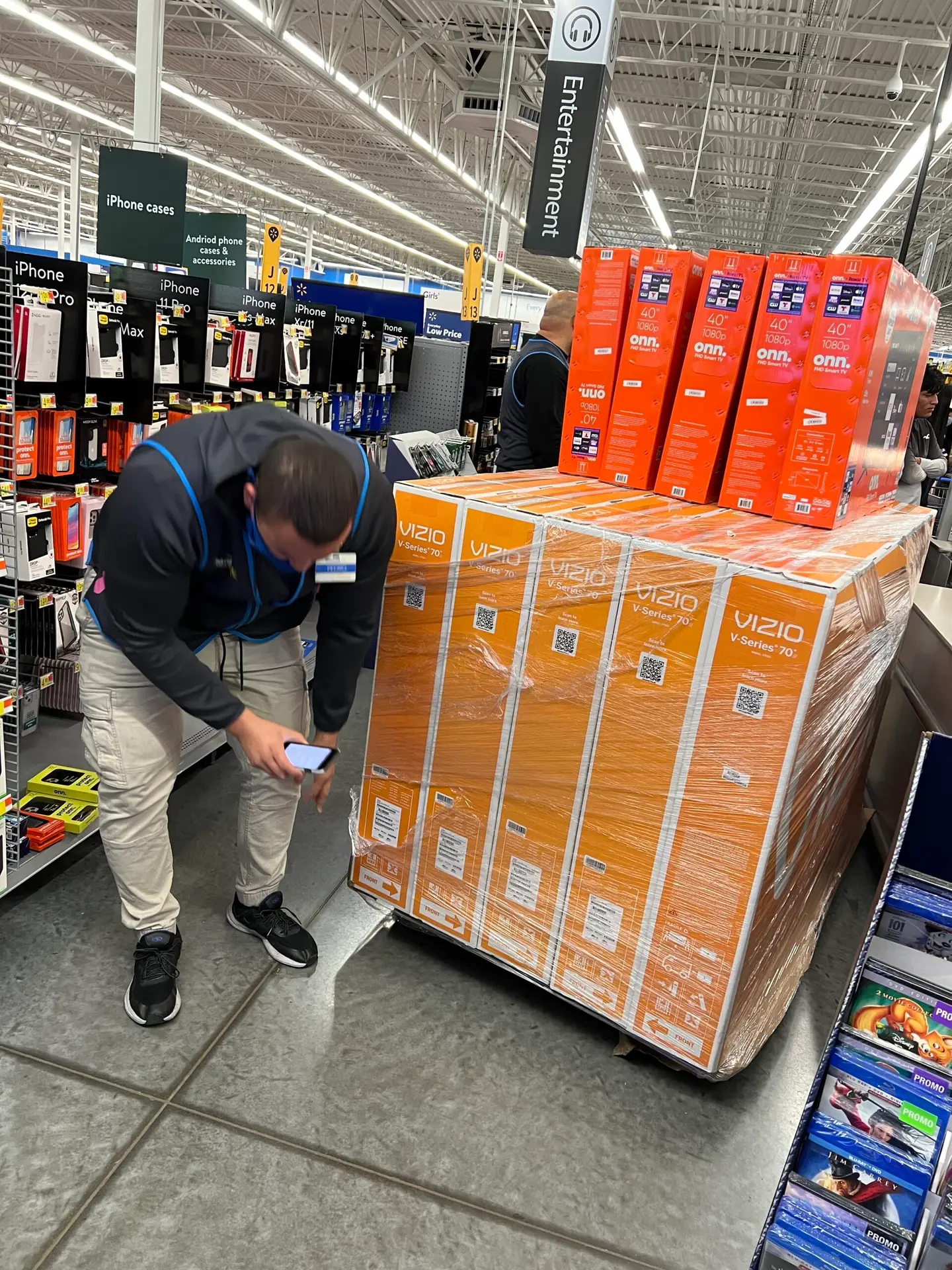
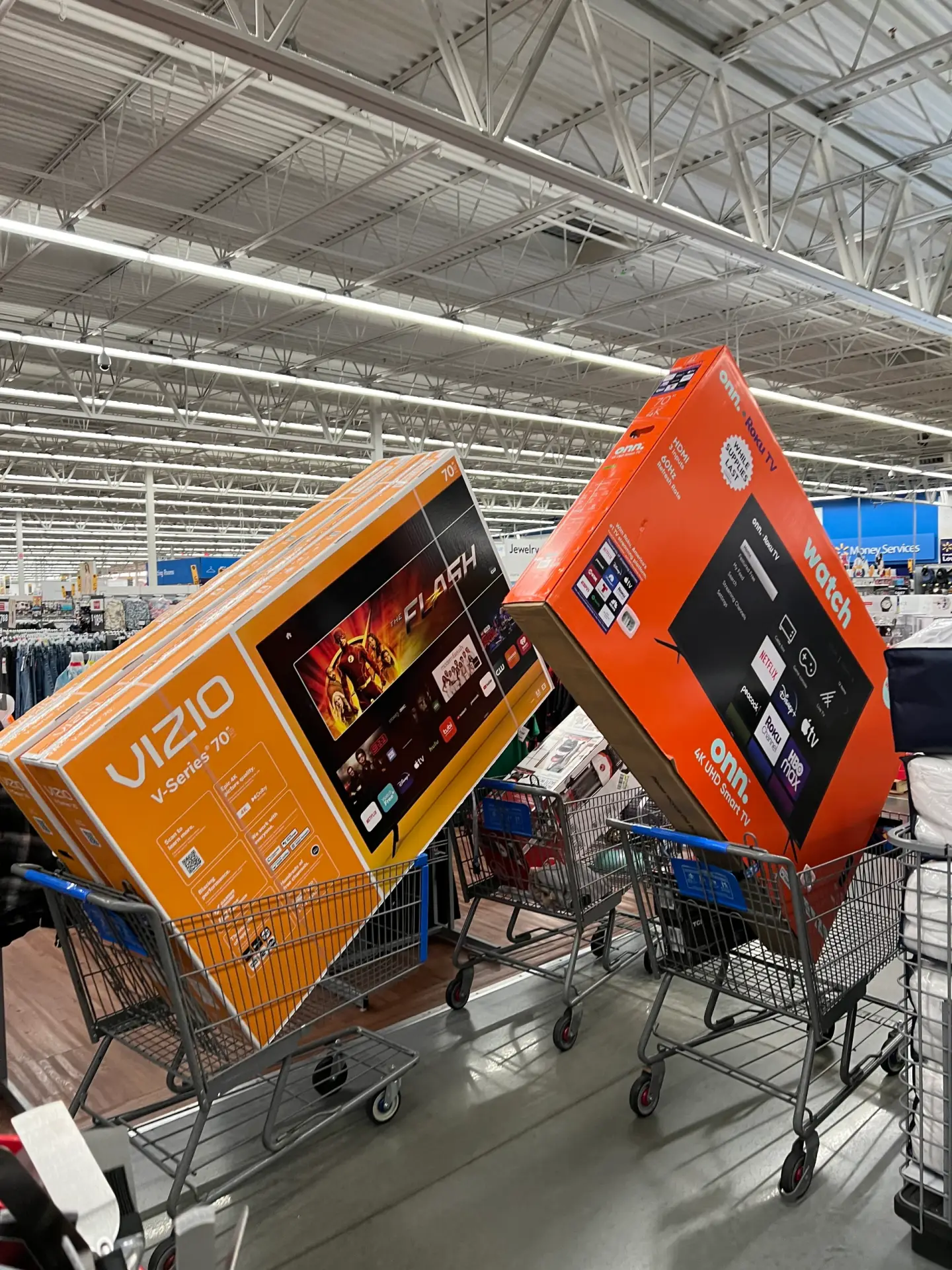
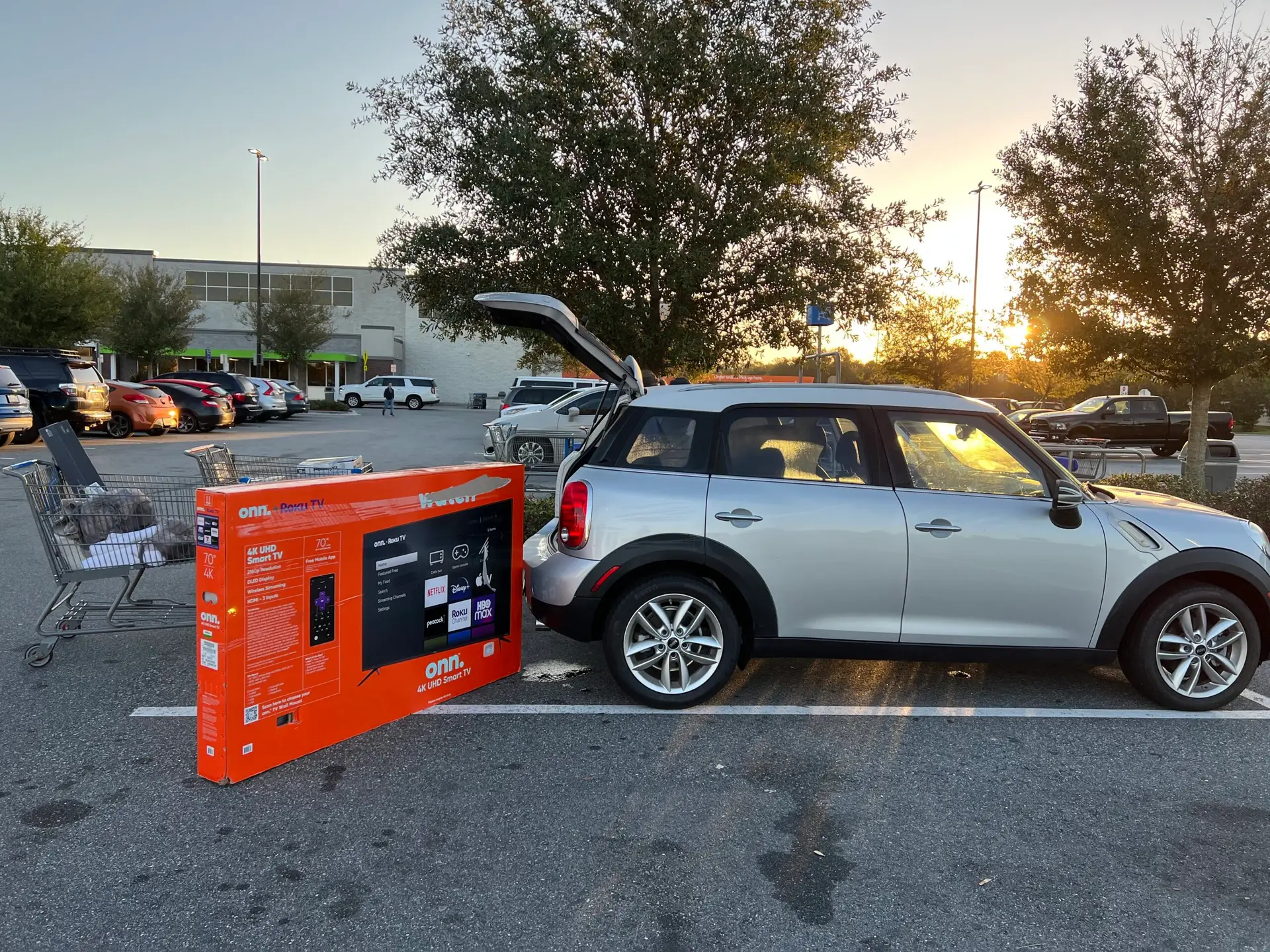
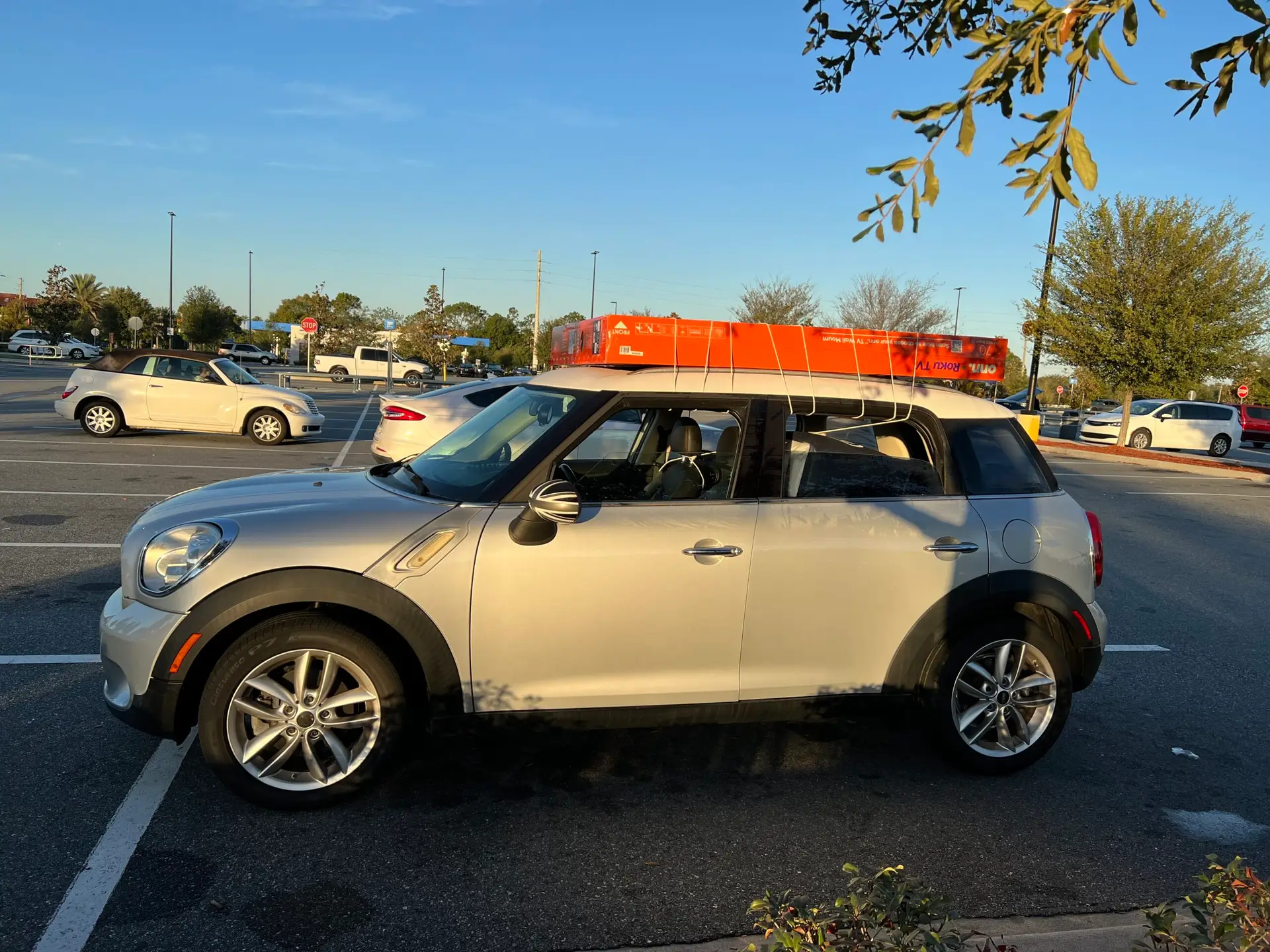
That day they were giving out numbered “Willy Wonka” type tickets for limited products. I got one for a 75-inch TV. Perfect... except for one detail:
my car was a Mini Cooper.
I asked if they could send it.
They told me, “If you don't take it now, it goes to someone else.”
That level of organized madness was part of Black Friday.
Today we live differently
What changed and why it matters
Today Walmart and Best Buy open to 6 AM on Black Friday.
No early mornings, no running crowds, no weird strategies.
Retailers changed it for three reasons:
- simpler logistics
- less chaos
- consumption moved online
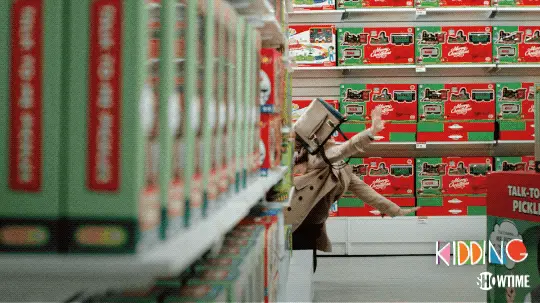
What happened to the physical stores?
In the United States, Black Friday foot traffic has been declining for more than a decade.
Some years fall 2-4%.
Cumulatively, more than 40%.
And no surprise.
Buying from the phone wins by technical KO.
Update 2025: CNBC confirms
A recent survey cited by CNBC shows that the Generation Z is the most popular generation for Black Friday shopping, but almost everything does from the cell phone.
More of the 90% plans to buy online, not in physical stores.
Older generations are also reducing their visits to stores, and Black Friday has become a phenomenon. less universal. The “K-shaped” economy is causing some to spend more and others to cut back hard.
In other words: the physical Black Friday we knew is no longer the standard. Today the day is experienced from the screen.
What happened to online (in the U.S. and Latin America)
In the United States, virtually all of the Black Friday growth moved online:
- over 9 billion dollars in digital sales,
- more of the 70% from the cell phone,
- and “Buy Online, Pick Up in Store” as the new standard.
In Latin America the story is different:
Black Friday still has a strong shopping component. on-site, but mobile also dominates. The difference is that, in general, chaos in stores has never been as widespread as in the United States. There it was a tradition; here it is more of a digital campaign.
Today, in both the U.S. and LATAM, the trend is the same:
more and more decisions are being made on the phone.
No need to wait in line.
It takes a finger (or several).

The signal that really interests me
The important thing is not whether Black Friday used to be better or worse.
The important thing is to read the signal behind it:
how habits change when technology simplifies something.
We saw it in retail.
It also happens in tourism, real estate, payments, education, experiences... everything.
When a simpler, faster and more convenient option appears, people migrate without looking back.
And that's where the opportunities to build begin.
I close with this
I lived a tiny part of that stage of the physical Black Friday, but it was enough to understand something:
Big changes are not always announced.
Sometimes they just start to happen.
And if you want to create, build or undertake, that is the key:
Pay attention before everyone notices.